Friday, May 8, 2020

Shinryoku (新緑)


There aren't official start and end dates for shinryoku (fresh green) in nature.  I suppose it depends on the severity of the past winter and the vigor of spring.  It's usually around the end of April / beginning of May that plants and trees really explode with life.  Their bony winter frames disappear, covered over by new leaves in brilliant, pulsating greens.  This can be seen anywhere, of course, but the magic and intensity of shinryoku is best experienced in or around a densely wooded mountainside.

As another Golden Week was drawing to a close I decided to pay the ever lovely Arashiyama a visit.  This year being anomalous, there were but a handful of people in Nakanoshima park on the south side of Togetsukyo Bridge.  I sat down on the river bank and admired the view.  The steep hills beyond the bridge were a painter's pallet of green, the furious labor of a mad artist who could not decide on a hue.  I've seen these hills a dozen times before, in every season, but this green…it drew me in, enveloped me.  I was spellbound.  I tried to look away, but my gaze always returned.

There is a lot of literature, scientific and otherwise, about the effects of the color green on the human body, and there are some reasonable assertions.  But regardless of the arguments, clever or ridiculous, there is no denying the great pleasure shinryoku brings as spring's personality shifts from coy to confident.


Tuesday, April 21, 2020

Let's get lost 2


I still like to get lost.  It's that chance of discovery.  Though after almost six years living in Katsura it's nearly impossible for me to get truly lost.  But I do like to try.  A nice long dérive is good for the mind and body.

It was the French philosopher Guy Debord who conceived la dérive (the drift) in 1956.  It is basically a long, aimless walk where the rover allows him or herself to "be drawn by the attractions of the terrain".  The dérive is closely linked to Debord's theory of urban exploration and pedestrian movement called psychogeography.  What is it in the landscape that guides us when we wander?  Why do we choose this street instead of that street?  Why do we turn left instead of right?  Note: following a coloured line on Google Maps with your smartphone is not a dérive.  You must free yourself of all conventions and just go.  Walk without purpose or destination.


I am fascinated by this idea.  And I've tried to make notes of my own walks.


What attracts me to a street: 
kawara roof tiles, aged shitami (wood siding), pre-Heisei (1989-2019) architecture, elegant modern architecture, water - rivers, streams, canals, narrow streets, streets that curve, gentle hills, lush greenery - trees, flowers, stone walls, bamboo fences 

What repels me from a street: 

large apartment blocks, high walls, contemporary plastic architecture, thoughtless or oppressive architecture, no greenery, wide streets, heavy automobile traffic, a barren wasteland, disrepair, junk, the profusion of asphalt and concrete, wire mesh fences

Sunday, April 5, 2020

Katsuragawa hanami (桂川 花見)


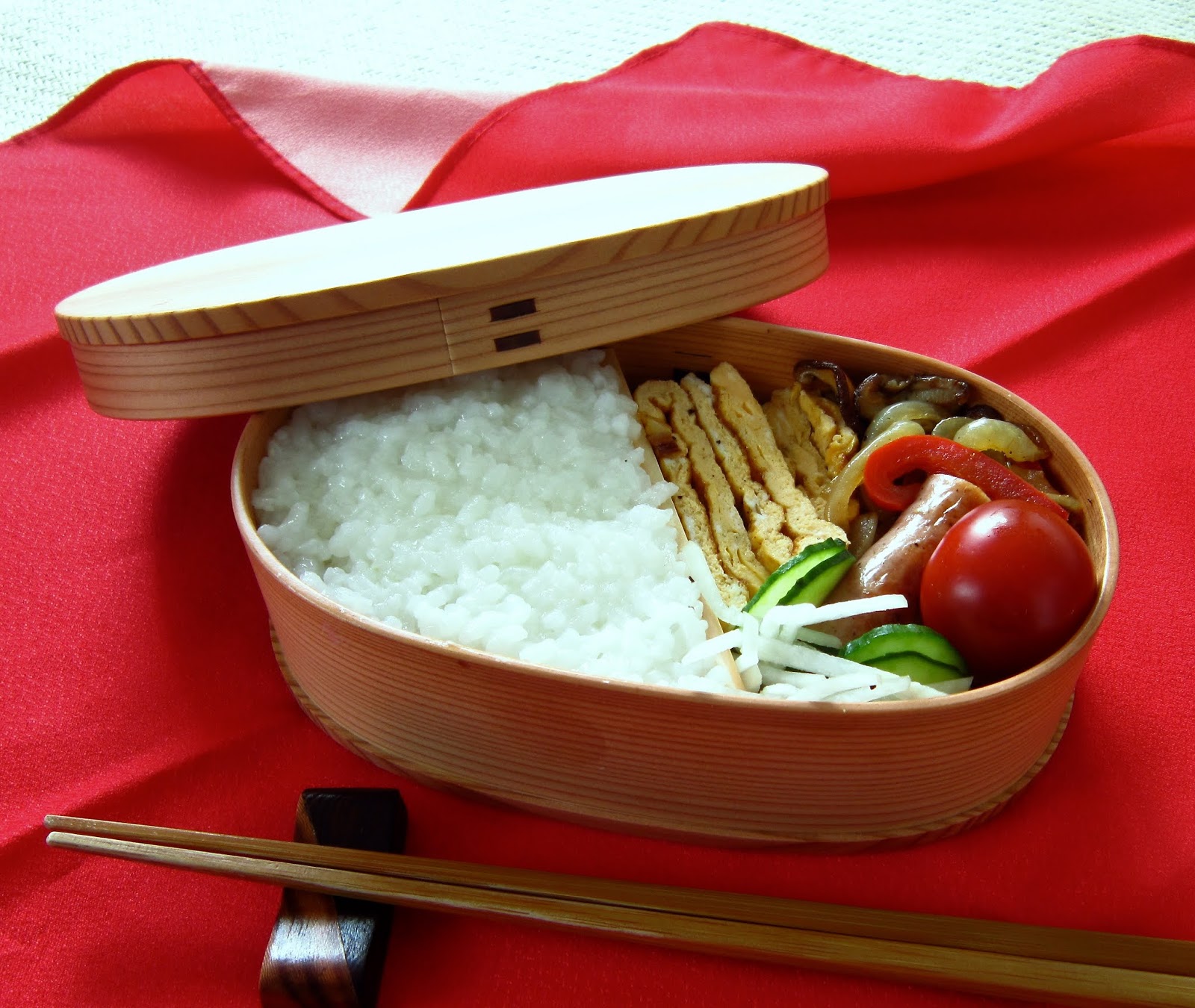
I packed a bento and headed out, following the river north-west from Katsura Bridge, my usual route.  A hazy sunshine blurred the distant mountains and warmed my bones.  The river spread itself wide in places.  A natural gesture or a man-made manipulation, I wasn't sure.  Its banks were spattered with yellow rapeseed. 

There's a graceful bend and great stony beach near Matsuo Taisha.  I stopped here for lunch beneath two ancient sakura.  The trees have probably known more beautiful surroundings given their age.  The thoughtless concrete slab upon which I sat a sort of insult to nature, an abomination.

A cool breeze plucked some of the lazier sakura blossoms from the trees.  They flipped and twirled and spun to the ground.  That was it.  The end of their performance.  Always too soon.  But next year, upon the same stage they'll put on another show, and we'll once again sit and wonder.


Friday, April 3, 2020

Sakura (桜)


Sakura pay no heed
boldly singing their song
through light and through gloom

Wednesday, April 1, 2020

Kibune (貴船)

Almost six years living in Kyoto and I still mix up the Eizan and the Randen railways, where they go.  I jumped on the Eizan thinking it went somewhere, and it did go somewhere, only it was not the somewhere I thought it would go.  

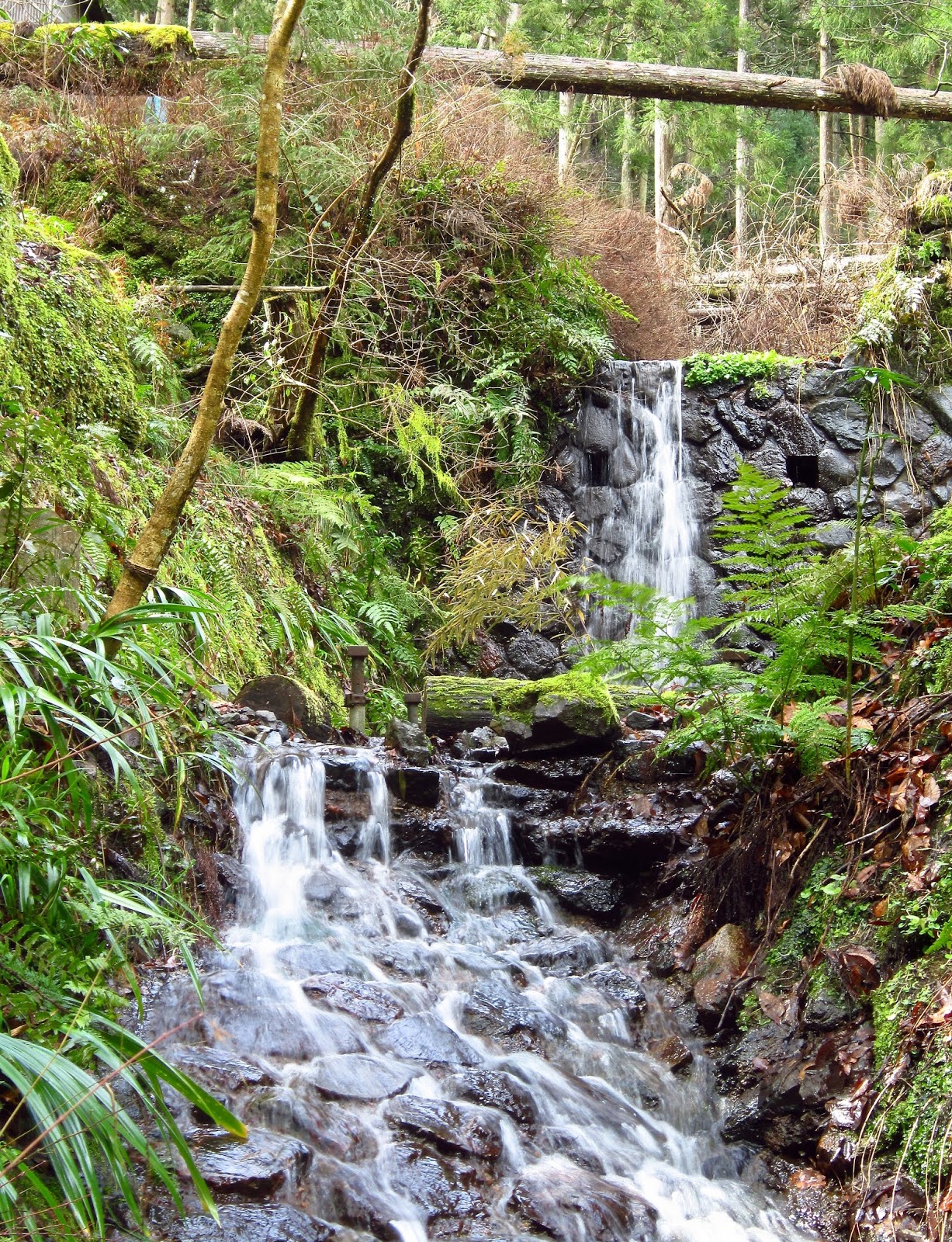
So finding myself in Kibune I found a cafe and sat down for lunch and a tall beer.  Everything was wet with rain, the kind of wet cinematographers love when they're shooting a movie.  The sharp lines of winter were fading, softened by the vibrant green moss.  Spring had just begun to hum.  Act 1, Scene 1.  Young couples drifted by, connected by an umbrella.  Kibune - a lover's destination.  

Beer drunk and soba supped, I decided to go in search of a photograph...


Sunday, March 15, 2020

Mask (マスク)

About four years ago I bought my first jinbei.  The following year I bought my first pair of getta.  In 2018 I wore a kimono for the first time and last summer I acquired a yukata.  Recently I donned another piece of ubiquitous Japanese attire - the germ mask.  This is undoubtedly more mundane than the other garments, but nonetheless an interesting experience.

Wearing masks to protect against the spread of infectious disease came to Japan in 1919 with the outbreak of the Spanish Flu.  Oddly, it was inspired by efforts in the US to control the pandemic.  Following the second World War, their popularity grew as they evolved into a sort of symbol of social etiquette.  By the 1990s masks were being widely used to combat the "national illness" of cedar pollinosis (hay fever).  The SARS epidemic of 2003 cemented the mask as a permanent part of Japanese attire.

In the West, traditionally it is only doctors and maybe nurses who wear paper surgical masks.  So my first impression was, cool, I look like a surgeon.

After about 30 minutes though I became aware of how the mask inhibits normal respiration, and I began thinking of the higher concentration of carbon dioxide I was probably inhaling.  Of course there is a direct correlation between high levels of  CO2 and drowsiness, sweating, high blood pressure and an increased heart rate.

5% of what humans exhale with each breath is water vapour.  This usually dissipates in the atmosphere.  However, a mask effectively blocks these particles, so the vapour begins to collect and the mask becomes moist.  Not at all pleasant.

A germ mask will stay in place if you don't speak.  But any exercise of the vocal chords and the mask begins to move.  Normal speech involves not just the movement of the mouth, but indeed the whole face.  In no time my mask had slipped off my nose and was resting on my upper lip.  Perhaps the problem is the size and verticality of the gaijin nose compared to the less pronounced Japanese nose.  

It is said that the eyes are the window to the soul.  But the mouth is just as, if not more, expressive than the eyes, and certainly easier to read.  When you put on a germ mask you acquire a certain anonymity.  Just as bandits in the Old West used to wear bandanas over their face to conceal their identity, the mask has the same effect.  With my fogged over eyeglasses (another annoying side effect) and mask I could disappear.  Ha!  I could go on a crime spree.  From surgeon to outlaw. 

I have my doubts about the effectiveness of germ masks.  It seems reasonable to assume that a mask that is completely impermeable to microscopic germs would lead to suffocation.  I think it is a largely symbolic gesture showing respect for and solidarity with your fellow citizens, which is not a bad thing.  But all those beautiful Japanese faces covered up.  Now that is a shame.